
Blood-pressure-friendly meals while using GLP-1s
Smaller GLP-1 meals can still be blood-pressure-friendly: build them from DASH foods and keep sodium low.
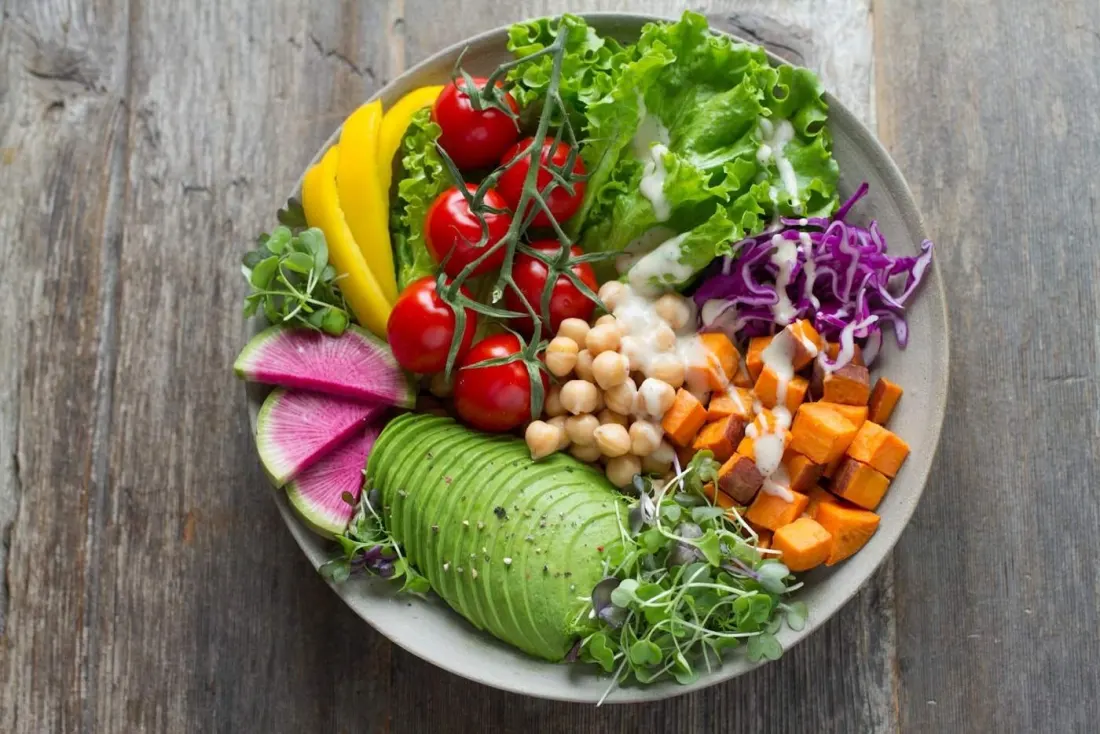
At a glance
7min read
Start with DASH foods
One low-appetite day
Cut sodium, not flavor
Read the guide
Start with DASH foods
DASH, short for Dietary Approaches to Stop Hypertension, is a flexible eating plan from the National Heart, Lung, and Blood Institute (NHLBI). Its serving counts depend on your calorie needs, so it can scale down to a smaller appetite.
NHLBI-funded studies found that DASH lowers blood pressure, and that pairing it with less sodium works better than either change alone. The plan emphasizes vegetables, fruits and whole grains. It includes fat-free or low-fat dairy, fish, poultry, beans, nuts and vegetable oils. It limits fatty meats, full-fat dairy, tropical oils, sugar-sweetened drinks and sweets.
A DASH serving is small. NHLBI counts ½ cup of cooked rice or pasta, 1 cup of raw leafy greens, 1 medium fruit, 1 cup of milk or yogurt, and 1 ounce of cooked fish or chicken (or 1 egg) as one serving each. Ask your clinician or a registered dietitian how many servings fit you.
GLP-1 medicines reduce appetite and slow digestion, so you may feel full for longer. NHLBI's DASH tips include eating smaller portions more often through the day, which can suit a smaller appetite.
- Add vegetables or fruit to every meal.
- Pick lean protein: fish, poultry, eggs, beans.
- Choose whole grains and low-fat dairy.
One low-appetite day
A low-appetite day can still include vegetables, fruit, whole grains, low-fat dairy and lean protein when you split food into small meals.
This sample day uses NHLBI serving sizes and lower-sodium choices. It shows the pattern, not a calorie or protein target, so eat what fits and stop when you are full. Keep the backup meal for days when cooking feels like too much.
If nausea makes meals hard, keep the same food groups and shrink the portions. If you cannot eat or drink enough to stay hydrated, call your clinician.
- Breakfast: ½ cup oatmeal with ½ cup berries and low-fat milk.
- Mid-morning: 1 cup plain low-fat yogurt with sliced banana.
- Lunch: greens, rinsed canned beans, tomato, oil and vinegar.
- Afternoon: an apple with 2 tablespoons unsalted peanut butter.
- Dinner: baked fish, ½ cup brown rice, broccoli and lemon.
- Backup: eggs scrambled with spinach on whole-wheat toast.
Cut sodium, not flavor
Most of the sodium Americans eat comes from packaged and prepared foods, not the salt shaker. FDA, citing CDC, says about 40% of the sodium Americans eat comes from deli meat sandwiches, pizza, burritos and tacos, soups, savory snacks, poultry, pasta mixed dishes, burgers and egg dishes.
On the Nutrition Facts label, the Daily Value for sodium is less than 2,300 mg a day. FDA's rule of thumb: 5% DV or less per serving is low, and 20% DV or more is high. Check the serving size, because the numbers usually apply to one serving.
The %DV does not shrink with your appetite. A soup at 20% DV still holds about 460 mg of sodium, even if it is most of what you eat that day.
Package claims help too. “Low sodium” means 140 mg or less per serving. “No-salt-added” means no salt was added during processing, but the food may still contain sodium.
Your limit is personal. NHLBI's DASH plan uses either 2,300 mg or 1,500 mg of sodium a day, and notes that 1,500 mg lowers blood pressure even further. Ask your clinician which target fits you, then build your next grocery list around the swaps below.
Ask before using a salt substitute. MedlinePlus lists them as a source of extra potassium, which can build up in the blood if your kidneys are not working well or you take certain blood-pressure medicines, such as ACE inhibitors or ARBs.
- Deli meat: swap for home-cooked chicken or rinsed canned tuna.
- Canned soup: choose “low sodium,” or make it with no-salt-added beans.
- Chips and crackers: try unsalted nuts or carrot and celery sticks.
- Instant rice or noodles: cook plain grains without added salt.
- Bottled sauces and dressings: use herbs, spices, lemon or lime.
- Takeout: ask for no added salt and sauces on the side.
Warning signs to watch
Call your clinician right away if you feel dizzy, lightheaded or faint, or have chest pain, shortness of breath or an irregular heartbeat. If you pass out, call 911 or your local emergency number.
GLP-1 medicines can cause nausea, vomiting, diarrhea and loss of appetite. Vomiting, diarrhea and drinking too little can lead to dehydration, and diuretics can add to fluid loss. MedlinePlus lists both dehydration and blood-pressure medicines as causes of low blood pressure. On days with vomiting or diarrhea, do not wait for signs of dehydration to call.
If you check your blood pressure at home and a reading is higher than 180/120, the American Heart Association says to wait at least 1 minute and measure again. If it is still that high and you have chest pain, shortness of breath, back pain, numbness, weakness, a change in vision or trouble speaking, call 911 and do not wait to see if it comes down. Without those symptoms, contact your clinician as soon as possible.
If you also take insulin or a sulfonylurea, dizziness together with trembling, extreme tiredness or a fast heart rate may be signs of low blood sugar. MedlinePlus lists these low blood sugar symptoms as a reason to call 911.
- Vomiting or diarrhea: keep sipping fluids and call early.
- Never use salt tablets to treat dehydration.
- Do not stop or change medicines on your own.
- Ask how often to check your blood pressure at home.
- Log readings, symptoms and medicines to share at visits.
What to ask your clinician
Bring these questions to your next visit so your meals match your medicines and your readings.
If you want help turning DASH into meals you enjoy, ask whether a registered dietitian can work with you. A blood pressure log makes it easier to show your readings.
- Should my sodium limit be 2,300 mg or 1,500 mg?
- How many DASH servings fit my calorie needs?
- Should I limit potassium or avoid salt substitutes?
- How often should I check my blood pressure at home?
- What should I do if I cannot keep fluids down?
- Do my blood-pressure or diabetes medicines need review now?
That one's for your prescriber.
Dose changes, new symptoms and stopping a medication are decisions to make with your clinician.
Related next steps
Quick answers
Can meal planning replace blood pressure medication?
No. Food choices can support blood-pressure management, but medication changes and diagnosis belong with a licensed clinician.
Which sodium target should I use?
Ask your clinician. NHLBI's DASH plan uses a limit of 2,300 mg or 1,500 mg a day, and notes that 1,500 mg lowers blood pressure even further. The Daily Value on food labels is less than 2,300 mg.
More answers (2)
Do smaller portions mean less sodium?
Usually, because less food means less sodium. But the %DV on a label is based on the full Daily Value, so a food at 20% DV still has about 460 mg of sodium, no matter how little else you eat.
Should I take salt tablets if I feel dizzy?
No. MedlinePlus advises against salt tablets for dehydration because they can cause serious complications. Call your clinician right away if you feel dizzy or lightheaded, and call 911 if you pass out.
Sources (10)
Sources
- NHLBI: DASH eating planNIH/NHLBI overview of the foods DASH emphasizes and limits, daily servings at 2,000 calories and the 2,300 mg or 1,500 mg sodium levels.
- NHLBI: following the DASH eating planNIH/NHLBI guidance on the DASH eating plan for blood-pressure-friendly eating patterns.
- NHLBI: living with DASHNIH/NHLBI tips for lowering sodium when shopping, cooking and eating out, plus smaller, more frequent portions.
- NHLBI: health benefits of DASHSummary of NHLBI-funded DASH and DASH-Sodium trials on blood pressure and sodium reduction.
- FDA: sodium in your dietFDA guide to the sodium Daily Value, %DV, package claims such as low sodium and no-salt-added, top sodium sources and lower-sodium swaps.
- MedlinePlus: GLP-1 agonistsNIH/NLM consumer explanation of how GLP-1 agonists work, common side effects, contraindication notes and when to contact a clinician.
- MedlinePlus: dehydrationNIH/NLM overview of dehydration causes such as vomiting, diarrhea and diuretics, warning signs, salt-tablet warning and when to call.
- MedlinePlus: low blood pressureNIH/NLM overview of low blood pressure causes, including dehydration and blood-pressure medicines, symptoms and when to get help.
- MedlinePlus: high potassium levelNIH/NLM overview of high potassium causes, including kidney problems, certain blood-pressure medicines and salt substitutes.
- American Heart Association: when to call 911 about high blood pressureAHA steps for home readings above 180/120, the symptoms that mean calling 911 and when to contact a clinician instead.
Verify before purchase
- Your personal daily sodium limit: 2,300 mg or 1,500 mg.
- The DASH calorie level and serving counts that fit you.
- Whether you should limit potassium or avoid salt substitutes.
- How often to check blood pressure at home and which readings to report.
Educational content only. This post is not medical advice, diagnosis, treatment guidance or a substitute for a licensed clinician.
Smaller GLP-1 meals can still be blood-pressure-friendly: build them from DASH foods and keep sodium low.
Last verified Jul 5, 2026
7 min read
2026-10-29 · Blood pressure · 7 min read
Lower-sodium defaults, protein and produce make the plan more useful than a one-off recipe.